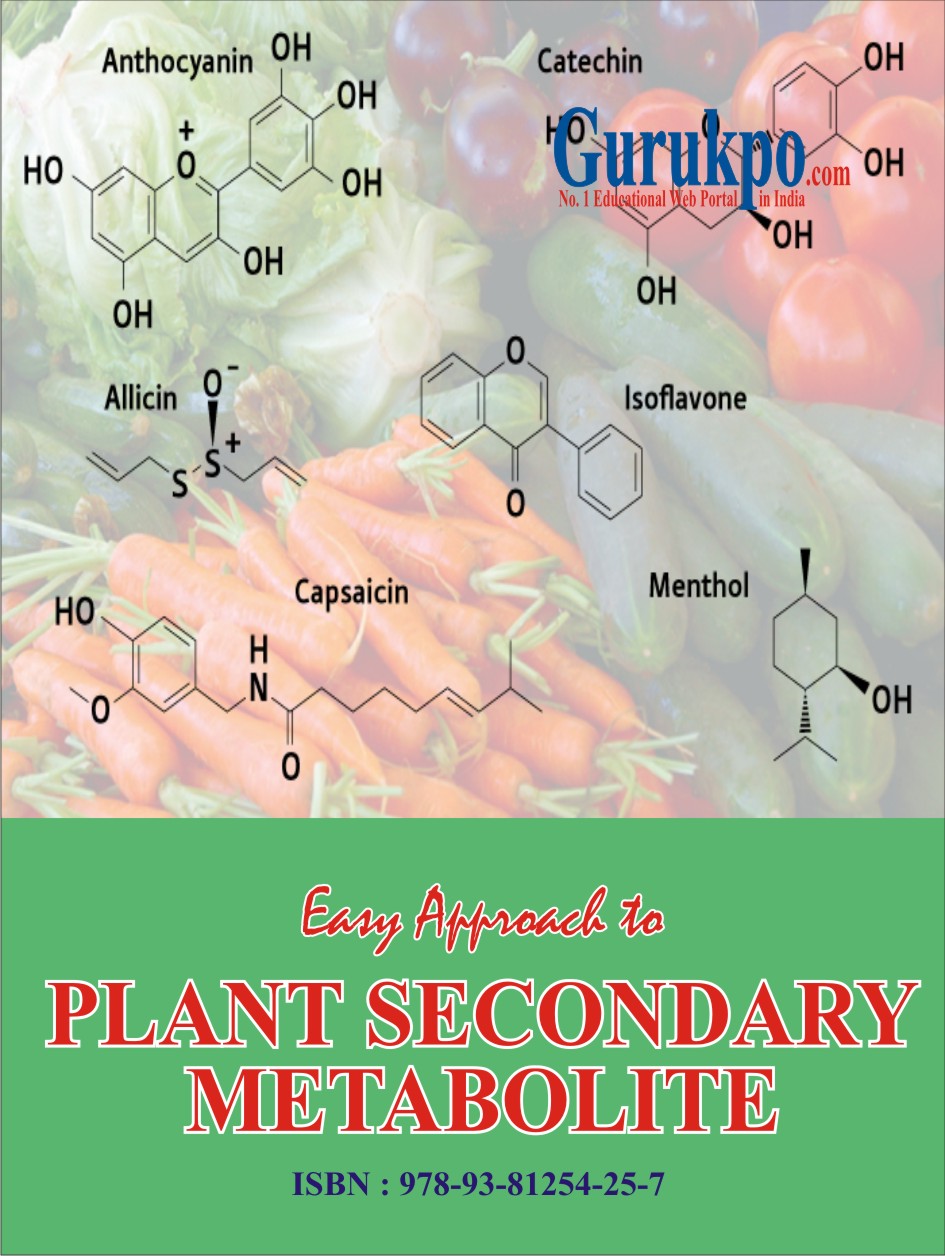
Plant Secondary Metabolites
Section -A 1. Introduction, secondary plant products in nature and their occurrence, type and uses. Basic tools and techniques used in isolation and separation. Section -B 2. Production in vitro- optimization …

Faculty: Education B.Ed. II Year(III Semester) Model Papers Sr. No. Paper Name Question Paper Link 1 Knowledge & Curriculam Click Here 2 Contemporary Indian and Education Click Here
Faculty: Education B.Ed. I Year(I Semester) Model Papers Sr. No. Paper Name Question Paper Link 1 Child Development and Growing Up Click Here 2 Contemporary Indian and Education Click Here 3 …
Faculty: ARTS B.A. III Year(VI Semester) Model Papers Sr. No. Paper Name Question Paper Link 1 Economics Click Here 2 English Literature Click Here 3 Geography Click Here 4 Political Science …
Section -A 1. Introduction, secondary plant products in nature and their occurrence, type and uses. Basic tools and techniques used in isolation and separation. Section -B 2. Production in vitro- optimization …
Section -A
1. Introduction, secondary plant products in nature and their occurrence, type and uses. Basic tools and techniques used in isolation and separation.
Section -B
2. Production in vitro- optimization selection effect of metabolism on secondary metabolite- production, production under stress factors.
3. Production of alkaloids, steroids and saponins. Mechanism and control by different factors, detoxification of secondary metabolites.
Section -C
4. Production of secondary metabolites by bioconversion genetic transformation for production of secondary metabolite. Large scale production in bioreactor. Commercial production of secondary metabolites using cell cultures. Use of biorectors, immobilized cells. Biotransformation. Applications and limitations. Cryopreservation and ex situ conservation of germplasm.
Microbial secondary metabolites, their occurrence types and uses.Section -D
5. Sources and type of antitumor compounds, food additives and insecticides.
6. Products obtained in traditional medicinal systems and their significance in plant biotechnology
7. Biotechnological approach on production of secondary metabolites e.g. ginkolides from cell cultures of Ginkgo biloba L.
8. Use of immobilized cell svstems for the production of industrially important chemicals
9. Genetic regulation of metabol. Gene expression in response to environmental stimuli, Regulation of gene expression
10. Analysis of metabolic control and the structure metabolic.
