


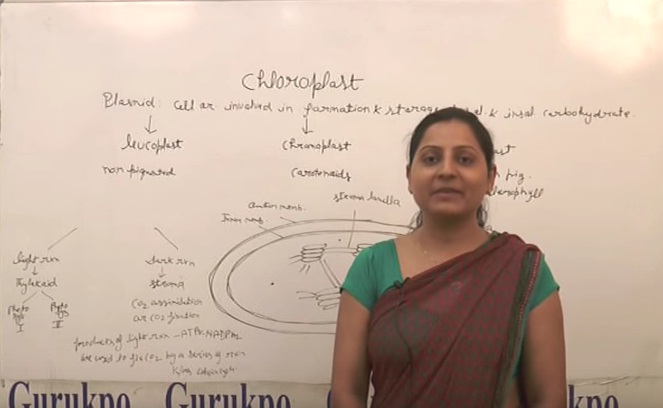

Chloroplast
In this Video, Dr. Preetpal kaur explains about chloroplast, its structure, components and its functions. It performs its function (photosynthesis) through light reaction and dark reaction.

Faculty: Law LLB III Year(V Sem.)Model Papers Sr. No. Paper Name Question Paper Link 1 Pleading, Drafting and Conveyance Click Here
Faculty: Law Post Graduate Diploma In Labour Law(PGDLL)Model Papers Sr. No. Paper Name Question Paper Link 1 Labour Jurisprudence and the International Labour Organization(I.L.O.) Click Here 2 Labour Law Labour Welfare, …
Faculty: Law LLB II Year(III Sem.)Model Papers Sr. No. Paper Name Question Paper Link 1 Bhartiya Nagrik Suraksha Sanhita Click Here
In this Video, Dr. Preetpal kaur explains about chloroplast, its structure, components and its functions. It performs its function (photosynthesis) through light reaction and dark reaction.
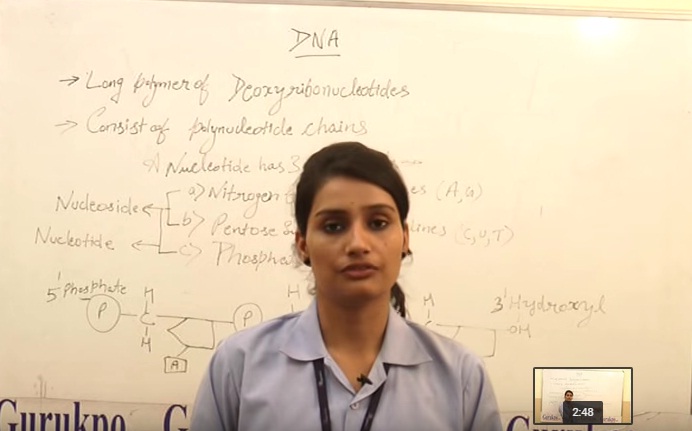
In this Video, Ms. Jyoti Kumari in Biyani Group of Colleges explain about the general structure of DNA. DNA is made up of long polynucleotide chains. A nucleotide has three components …