Career in Commerce & Management
After 12th it’s very difficult to decide which subject to opt and why? The answer is commerce and management. There are lots of reasons behind this answer because in commerce and …
Faculty: Law Post Graduate Diploma In Labour Law(PGDLL)Model Papers Sr. No. Paper Name Question Paper Link 1 Labour Jurisprudence and the International Labour Organization(I.L.O.) Click Here 2 Labour Law Labour Welfare, …
Faculty: Law LLB II Year(III Sem.)Model Papers Sr. No. Paper Name Question Paper Link 1 Bhartiya Nagrik Suraksha Sanhita Click Here
Faculty: Law B.A. LL.B VII Semester Model Papers Sr. No. Paper Name Question Paper Link 1 Property Law Click Here
After 12th it’s very difficult to decide which subject to opt and why? The answer is commerce and management. There are lots of reasons behind this answer because in commerce and …
After 12th it’s very difficult to decide which subject to opt and why?
The answer is commerce and management. There are lots of reasons behind this answer because in commerce and management we have number of options available. The employment opportunities in commerce fields are lucrative. The door of both private and public organisation is open for commerce graduates. To a larger extent, the remuneration in the field of commerce depends upon area of specialisation and your institutions. The options are:
Chartered Accountant

Company secretary

Teaching

Finance Analyst

Investment Analyst

Stock Broker

Portfolio Manager

Tax Consultant

Statistician

Cost Accountant
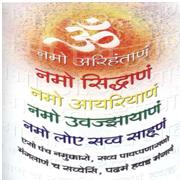
The most momentous mantra in Jainism is Ṇamōkāra mantra .This is the prayer recited by the Jains while meditating. The mantra is also referred to as the Pancha Namaskāra Mantra, Navakāra …
The most momentous mantra in Jainism is Ṇamōkāra mantra .This is the prayer recited by the Jains while meditating. The mantra is also referred to as the Pancha Namaskāra Mantra, Navakāra Mantra or Namaskāra Mantra. While reciting this mantra, the devotee bows with respect to the Panch Parameshti (the Supreme Five) in order of the sanctity of their souls:
1 Those who have cleared their ghati (inimical) karmas (arihants)
2 The fully liberated souls (siddhas)
3 The spiritual leaders or Preceptors (acharyas)
4 The teachers (upajjhayas)
5 The monks or sages in the world
The prayer is done for the guṇa (the good qualities) of the gods, teachers and the saints. Jains don’t believe in any favors or material benefits from the tirthankaras or monastics. This mantra simply serves as a gesture of deep admiration towards beings whom they believe are spiritually ahead, as well as to remind the people of their ultimate goal of life i.e. moksha (liberation).
According to Digambaras and Sthānakavāsīs the first five lines as the main mantra. The following two lines are meant to explain the benefit of reciting the mantra.
“Ṇamō Arihantāṇaṁ” that means “I bow to the Arihants, the Conquerors”
“Ṇamō Siddhāṇaṁ” that means “I bow to the Siddhas”
“Ṇamō Ayariyāṇaṁ” which means “I bow to the Acharyas”
“Ṇamō Uvajjhāyāṇaṁ” that states “I bow to the Upadhyayas”
“Ṇamō Lōē Savva Sāhūṇaṁ” that means “I bow to all the Sages of the world”
“Ēsōpan̄caṇamōkkārō, savvapāvappaṇāsaṇō” which states “This five-fold salutation completely destroys all the sins”
“Maṅgalā ṇaṁ ca savvēsiṁ, paḍamama havaī maṅgalaṁ” that means “And, of all auspicious mantras, (it) is indeed the foremost auspicious one”.